
Modular Museum Walls in Hartford, CT
Flexible Solutions for Temporary Walls and Modular Displays
Temporary Walls for Museums in Hartford, CT
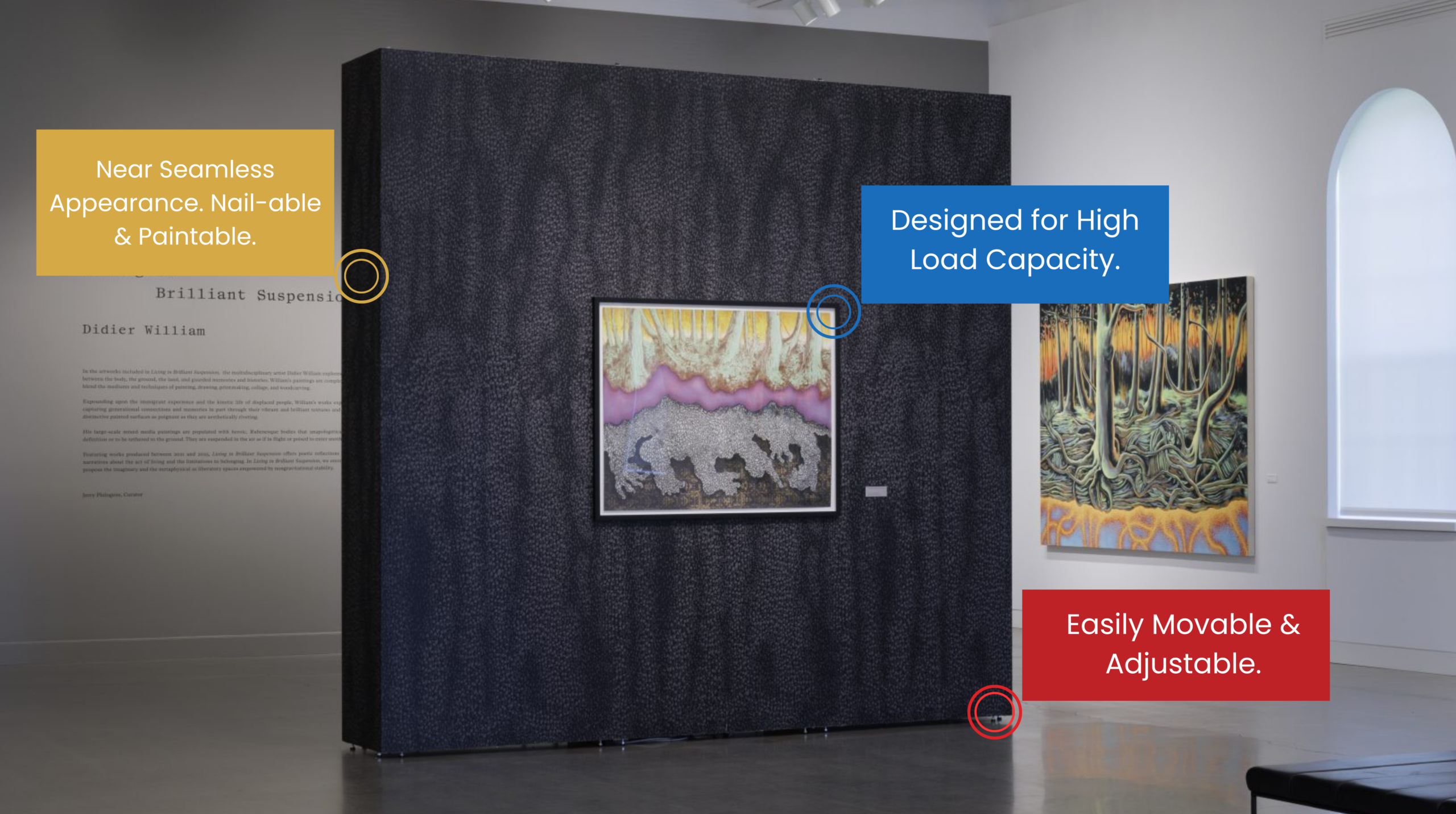
Academic galleries run on semester calendars, with student thesis shows, faculty exhibitions, and visiting artists cycling through the same rooms each year. Temporary walls for museums and university galleries have to keep pace with that rhythm. In a region home to Trinity College, the University of Hartford, and UConn’s downtown Hartford campus, academic exhibitions often need space beyond dedicated gallery rooms. Mila-Wall® temporary gallery walls convert lobbies, atriums, and multipurpose rooms into credible exhibition space, then come down cleanly when the room returns to its everyday use. Panels are fully reusable and repairable, so a department can build its inventory once and deploy modular gallery walls across many exhibitions over many years. Sustainability offices will note that the system uses 96% recycled materials, recyclable aluminum, and formaldehyde free, low emission materials, and it supports LEED® projects. Compared with plywood walls built and discarded each term, that is a meaningful change in both appearance and waste. Gallery directors and facilities staff considering modular museum walls in Hartford, CT can reach out to discuss a plan for the academic year.
Museum Wall Systems in Hartford, CT
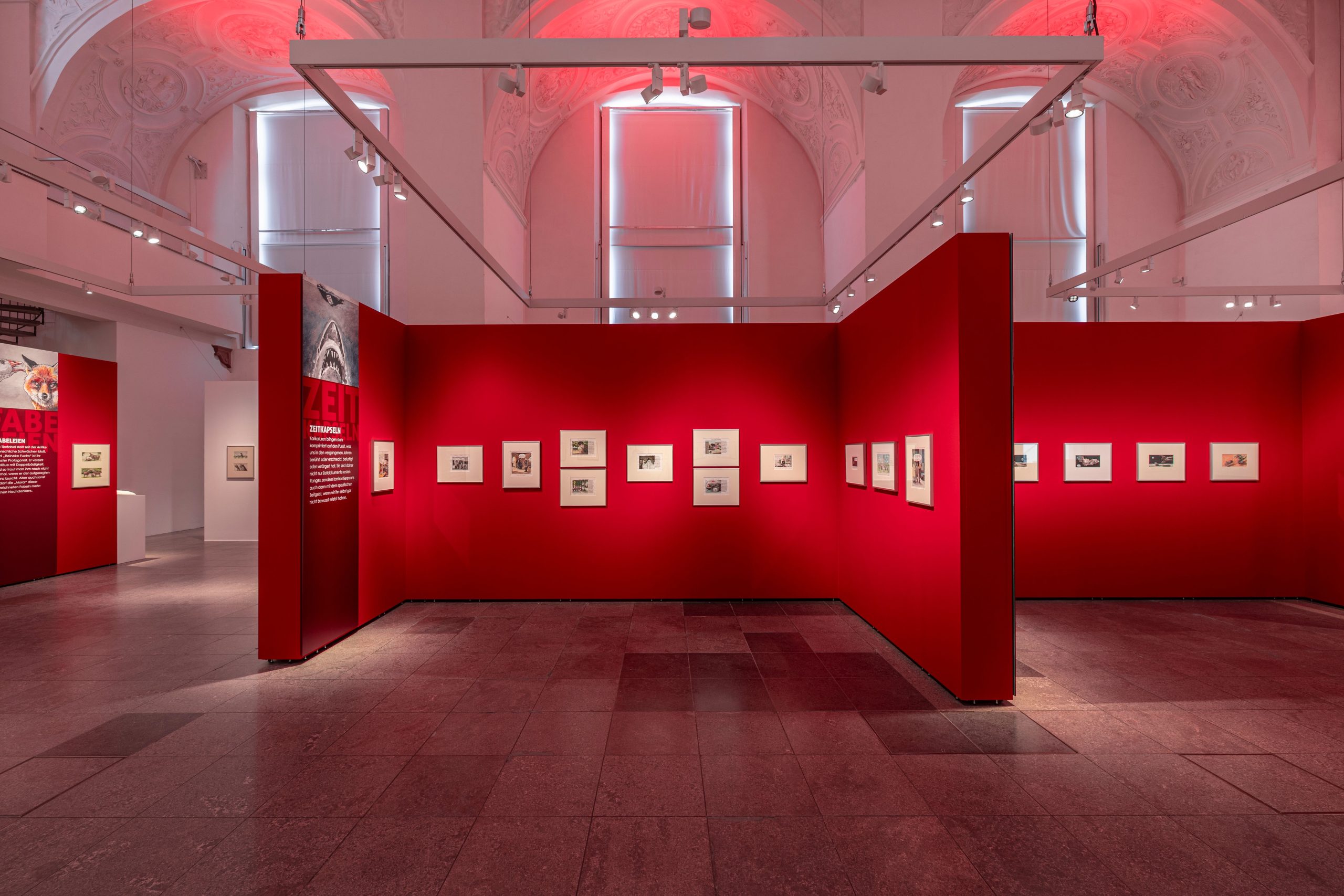
Museum wall systems have to satisfy curators, conservators, and facilities teams at once, and Hartford’s institutions span a wide range of those needs. A museum exhibit wall system in Hartford may serve an encyclopedic art museum like the Wadsworth Atheneum, a history museum like the Connecticut Museum of Culture and History, or a contemporary arts space such as Real Art Ways. Mila-Wall® meets that range through a component approach: doors, niches, media integration, and special shapes all fit within the same modular system. Panels can be painted to match a gallery palette or finished with vinyl for graphics and color fields, and integrated lighting is available where a design calls for it. That versatility makes it a flexible museum wall system rather than a single purpose partition. Compared with pipe and drape, the panels are more secure, and next to plywood, they present a more refined finish. For institutions comparing gallery display wall systems for a long term exhibition program, the conversation usually begins with a floor plan and a list of objects.
Temporary Exhibit Wall Systems
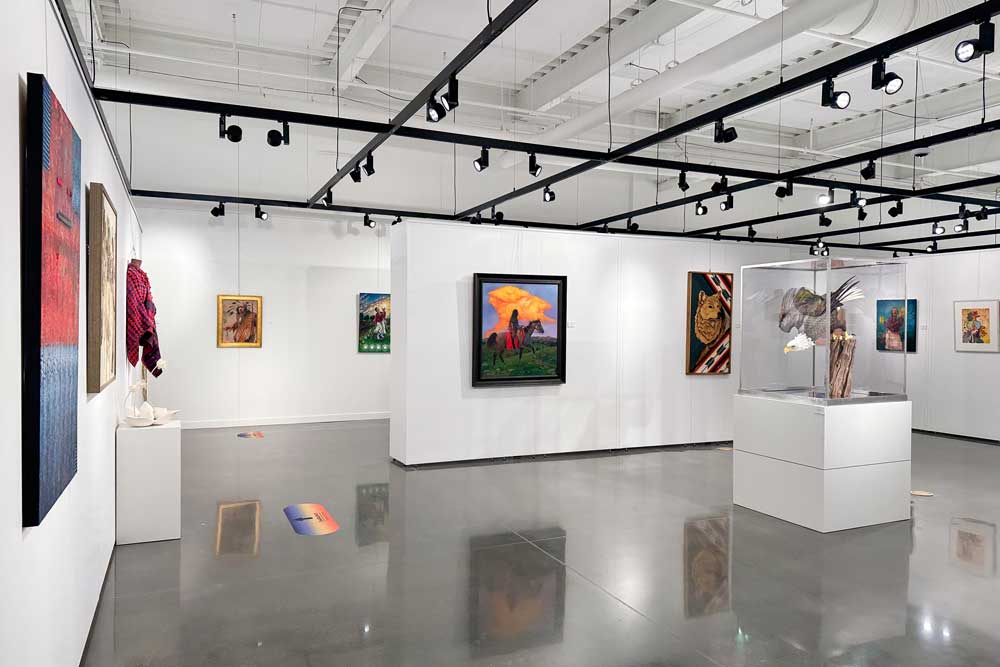
Temporary exhibit wall systems earn their value over repeated use, not a single opening. Mila-Wall® was designed for that cycle: the same panels can form a tight sequence of rooms for one show and an open, airy gallery for the next. The lightweight honeycomb core and extruded aluminum frame make these portable exhibit walls manageable to move between storage and the gallery floor, while the lever roller system keeps each build efficient. Because the panels are freestanding and grid independent, temporary exhibition walls can go up in spaces that were never planned for exhibitions, including event halls, corporate lobbies, and library reading rooms. Across Connecticut and the wider New England region, that portability helps institutions share programming, stage pop up displays, and extend exhibitions into community venues. When a show closes, the panels are dismantled, stored, and redeployed, and damaged components can be repaired rather than replaced. Organizations building a long term exhibition inventory can contact MBA Walls to review which configurations make sense for their calendar.
Exhibition Wall Panels
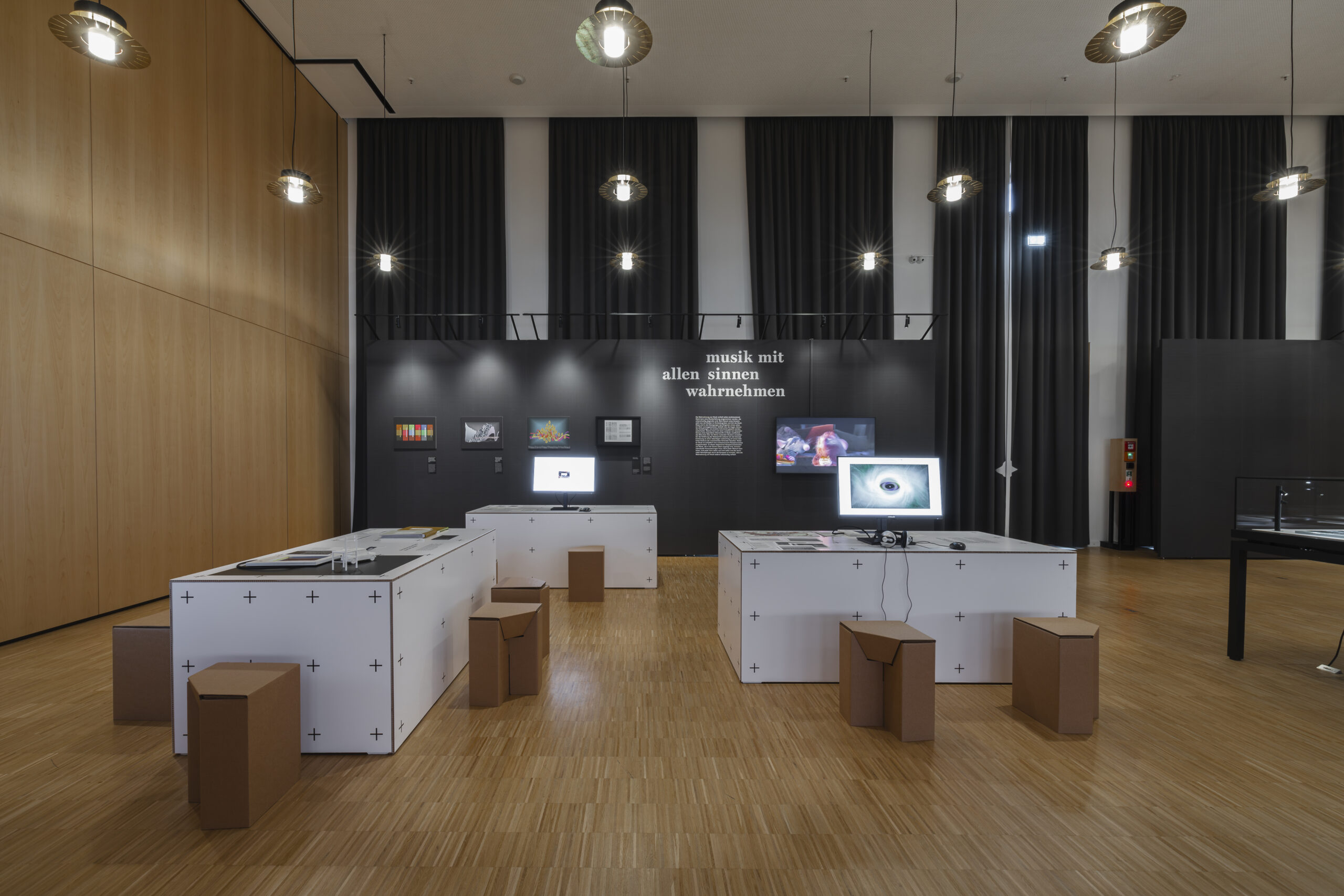
Exhibition wall panels do double duty in a market that hosts both museum programming and professional events. Beyond gallery settings, Mila-Wall® serves as a polished option among exhibition display wall systems for conferences, product launches, and association shows, including events at venues like the Connecticut Convention Center in downtown Hartford. As modular walls for trade shows, the panels offer a clean, architectural backdrop that stands apart from the pipe and drape booths common on show floors, and they are considerably more secure. Vinyl graphics can be applied directly, integrated lighting can highlight products or artwork, and media integration allows screens to be built into the wall. The same inventory can then return to a gallery or corporate space, so organizations can treat the system as a shared asset across departments. MBA Walls’ trade show and gallery installations illustrate how the panels perform in both environments. Producers and marketing teams preparing for an upcoming event are invited to share their booth dimensions and goals to start the planning process.