
Modular Museum Walls in Madison, WI
Flexible Solutions for Temporary Walls and Modular Displays
Modular Museum Walls in Madison, WI
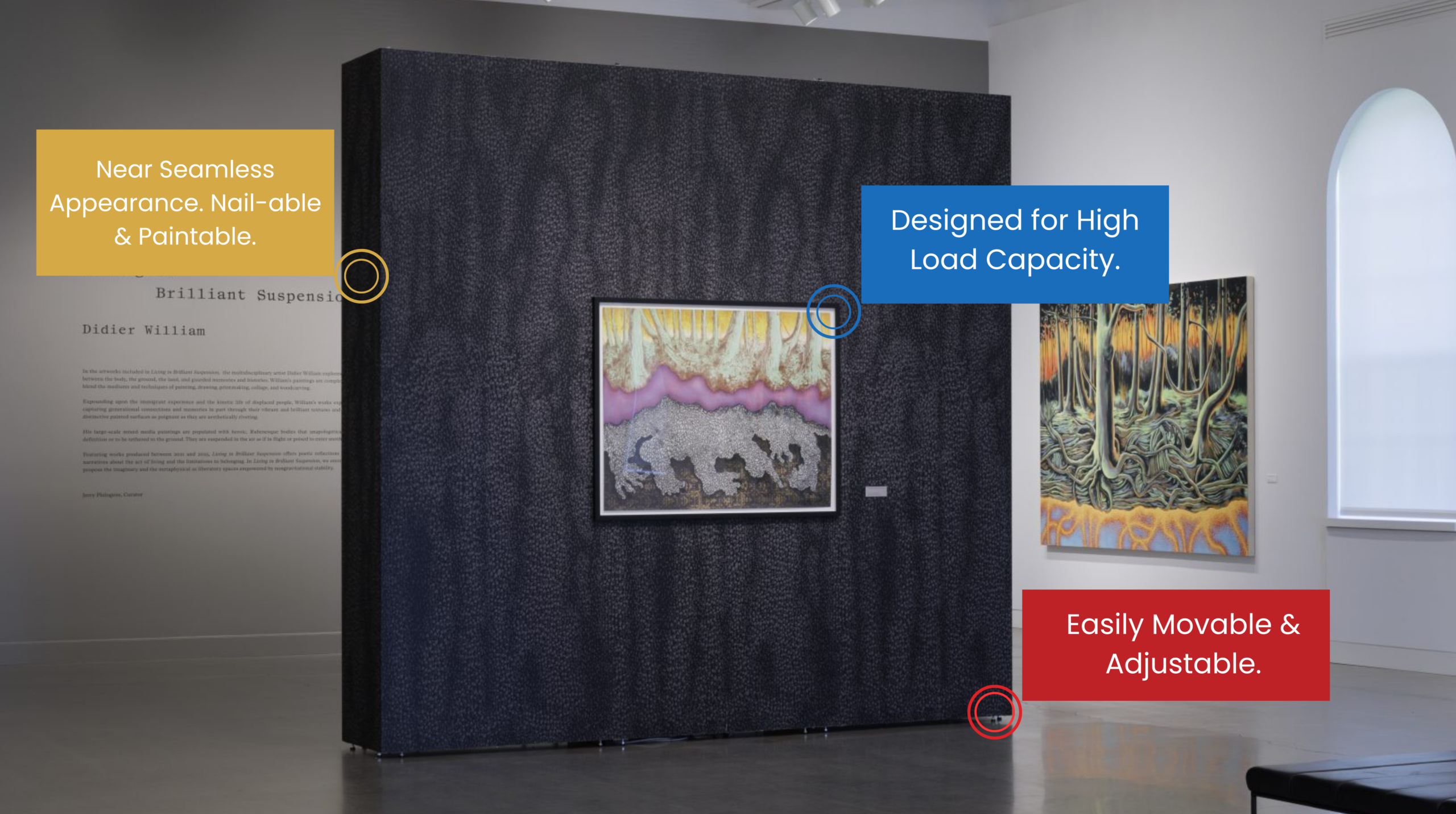
MBA Walls supplies Mila-Wall® modular museum walls to museums, galleries, and cultural institutions throughout Madison and south central Wisconsin. The system was designed for museums, galleries, trade shows, and event spaces, and it puts a professional exhibition standard within reach of teams that are not full time exhibition departments. Panels assemble in minutes, connect invisibly, and rebuild into something different as often as the program requires.
Modular Exhibit Walls in Madison, WI
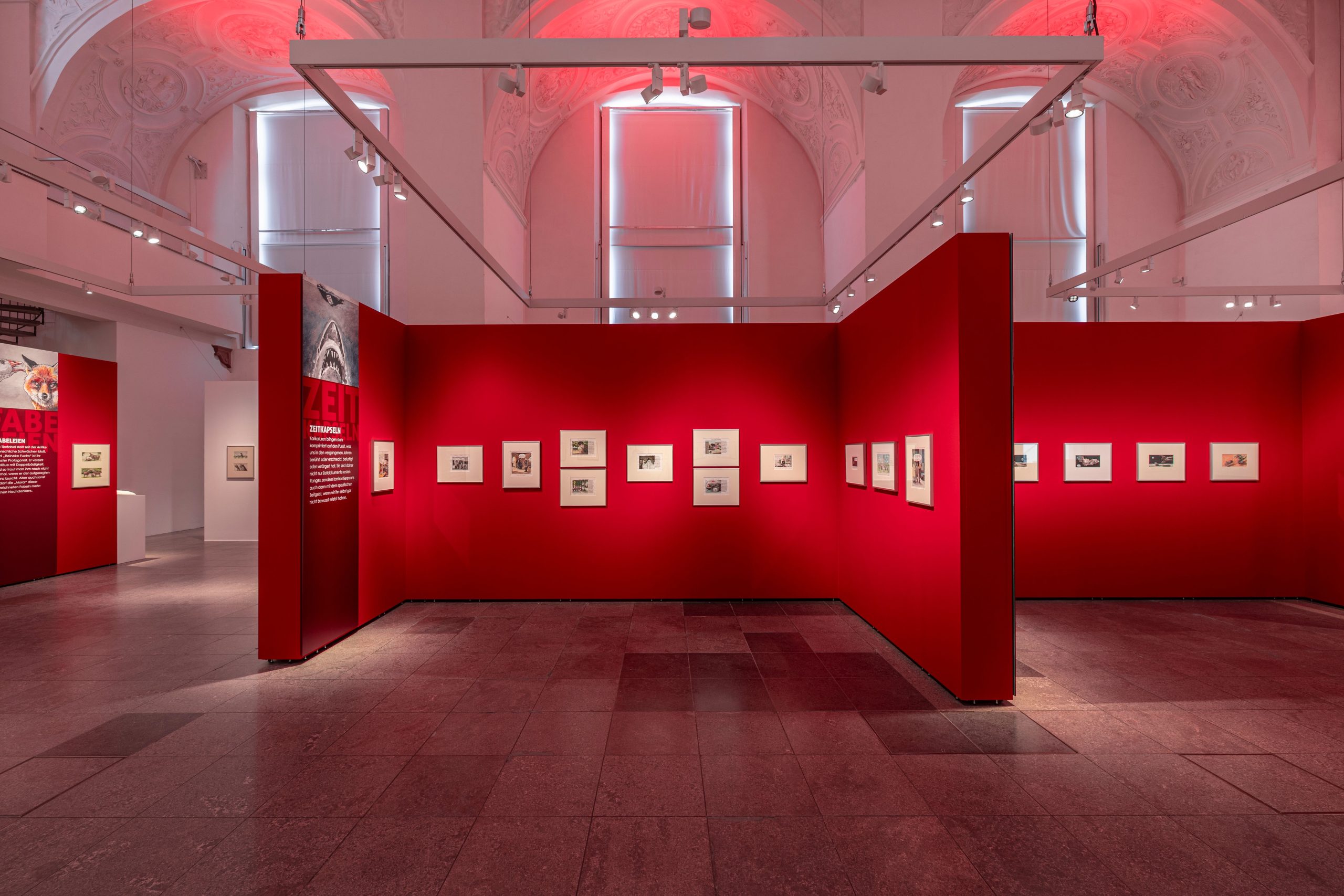
A great deal of what gets exhibited in Madison originates in research rather than in a curatorial office, with faculty, graduate students, and collection managers presenting material they know deeply and have never had to install before. Modular exhibit walls matter in that setting because the people building the show are subject specialists, not exhibit designers, and the system has to supply the design competence they do not have on hand. Mila-Wall® does that by working from a repeating module, so a layout is composed from known components rather than drawn from scratch and fabricated. Ready made wall configurations give a first time team a proven starting arrangement instead of a blank floor plan. Assembly is largely tool free and happens in minutes per panel, which keeps the physical build from consuming the time that should go into the content. Museum exhibit wall systems built this way produce a finished, professional result whether the person installing them has done it once or a hundred times. The panels hang valuable work and specimen material securely, which is the first question any collection manager asks. Full configuration details are on the Mila-Wall® product page.
Museum Wall Systems in Madison, WI
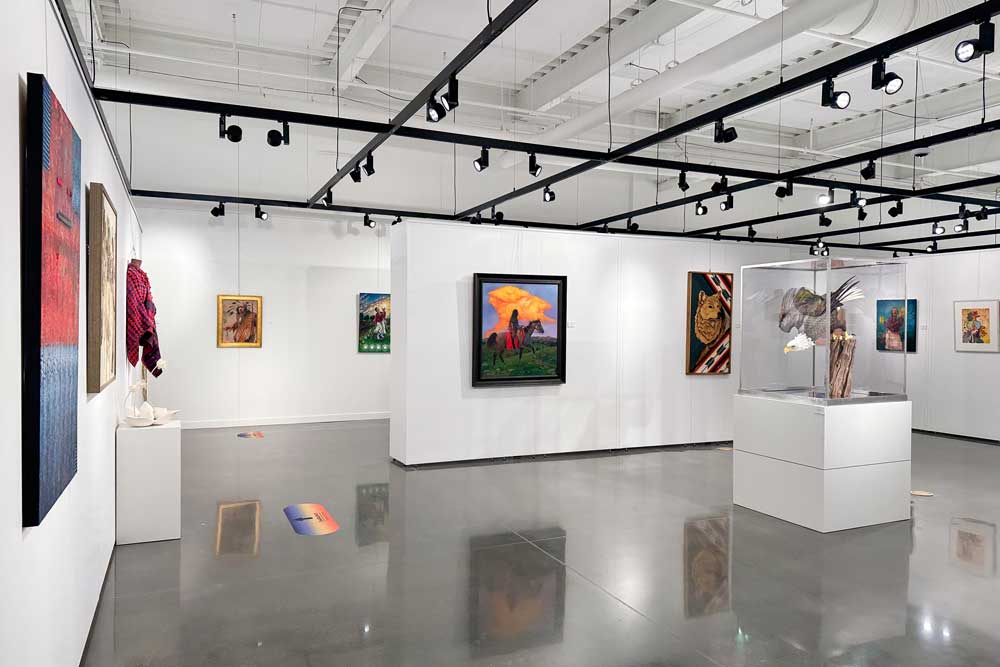
Madison institutions do a large share of their exhibition work on grant funding, and grants come with fixed end dates and reporting obligations that outlast the project itself. Museum wall systems built as construction disappear into a single funded exhibition, leaving nothing to show a funder in year three besides photographs. A durable modular inventory reads differently on a budget narrative, because it is capital equipment with a useful life well beyond the grant period that funded it. Mila-Wall® is offered as a line so the purchase can be scoped honestly against the work, including Series 100 with extruded aluminum edging and top and bottom pin connections for heavy rotation, Series 160, Series 840 with wooden edging as the more economical build, and Scenario® for smaller footprints. All of them share a lightweight honeycomb core inside a robust aluminum frame, which is what allows a single specification to serve project after project. Technical documentation and product brochures are available for every series, which helps when a proposal or a purchasing office wants specifications rather than a description. The equipment then supports the next grant application as existing capacity rather than a repeated request. MBA Walls works through that scoping with each institution rather than quoting a standard package.
Exhibition Wall Panels
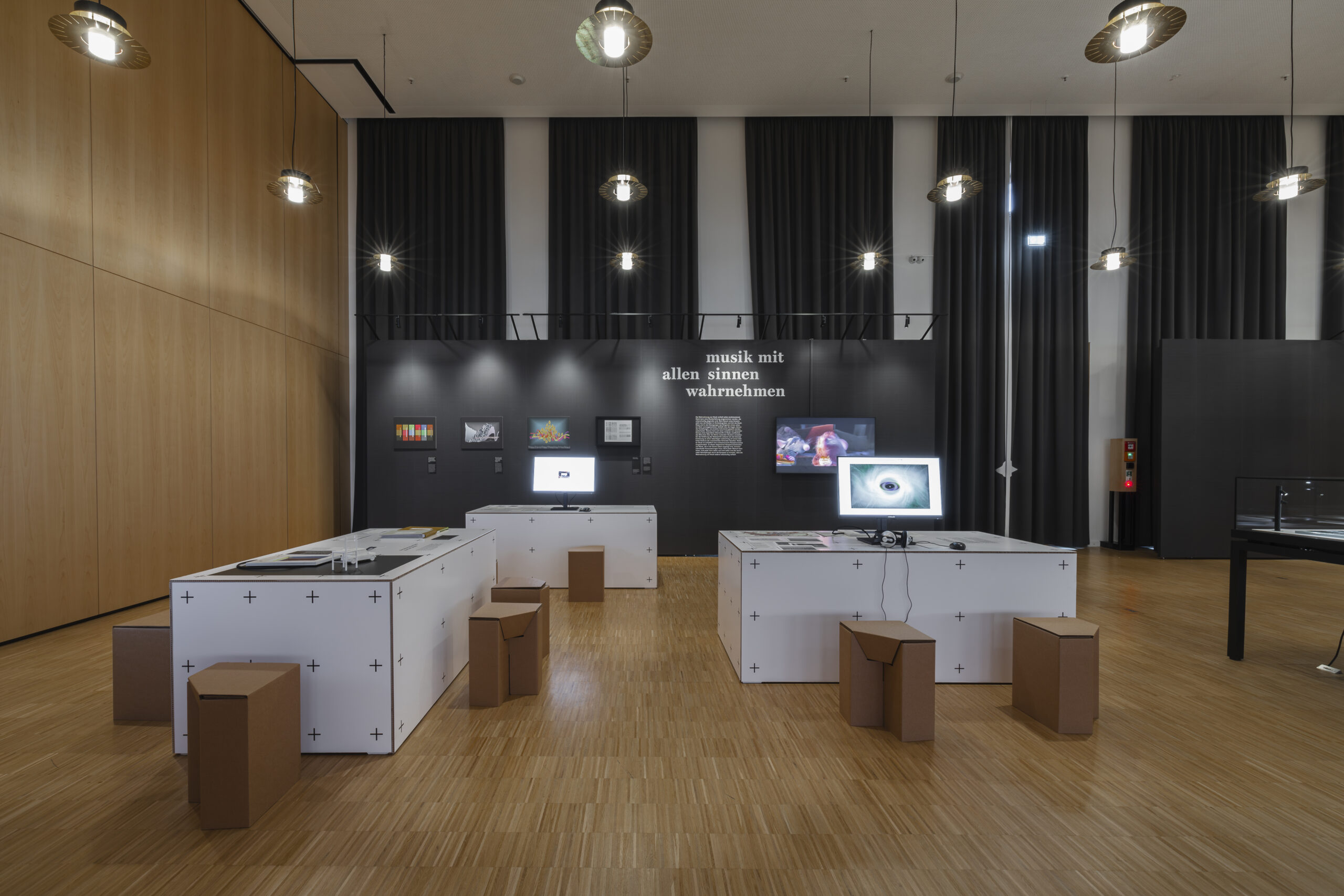
Institutions built around a university turn their staff over constantly, with student workers cycling through in two or three years and preparators moving on just as the crew gets good. Exhibition wall panels have to survive that turnover, which means the system itself has to carry the knowledge rather than the people. Mila-Wall® is a single repeating module with invisible connections and largely tool free assembly, so a new crew learns it in an afternoon and installs correctly the first time out. There are no shop skills to inherit, no jigs to locate, and no undocumented technique that left with the last preparator. The panel construction supports that consistency directly, with a rigid honeycomb core inside an aluminum frame that produces the same flat, true surface regardless of who assembled it. Panels are repairable and their coverings replaceable, so early mistakes by a new crew are correctable rather than permanent. Exhibition display wall systems that depend on individual craftsmanship degrade quietly as staff changes, and this one does not. Layouts can be documented and rebuilt years later by people who never saw the original.
Movable Wall Systems for Museums in Madison, WI
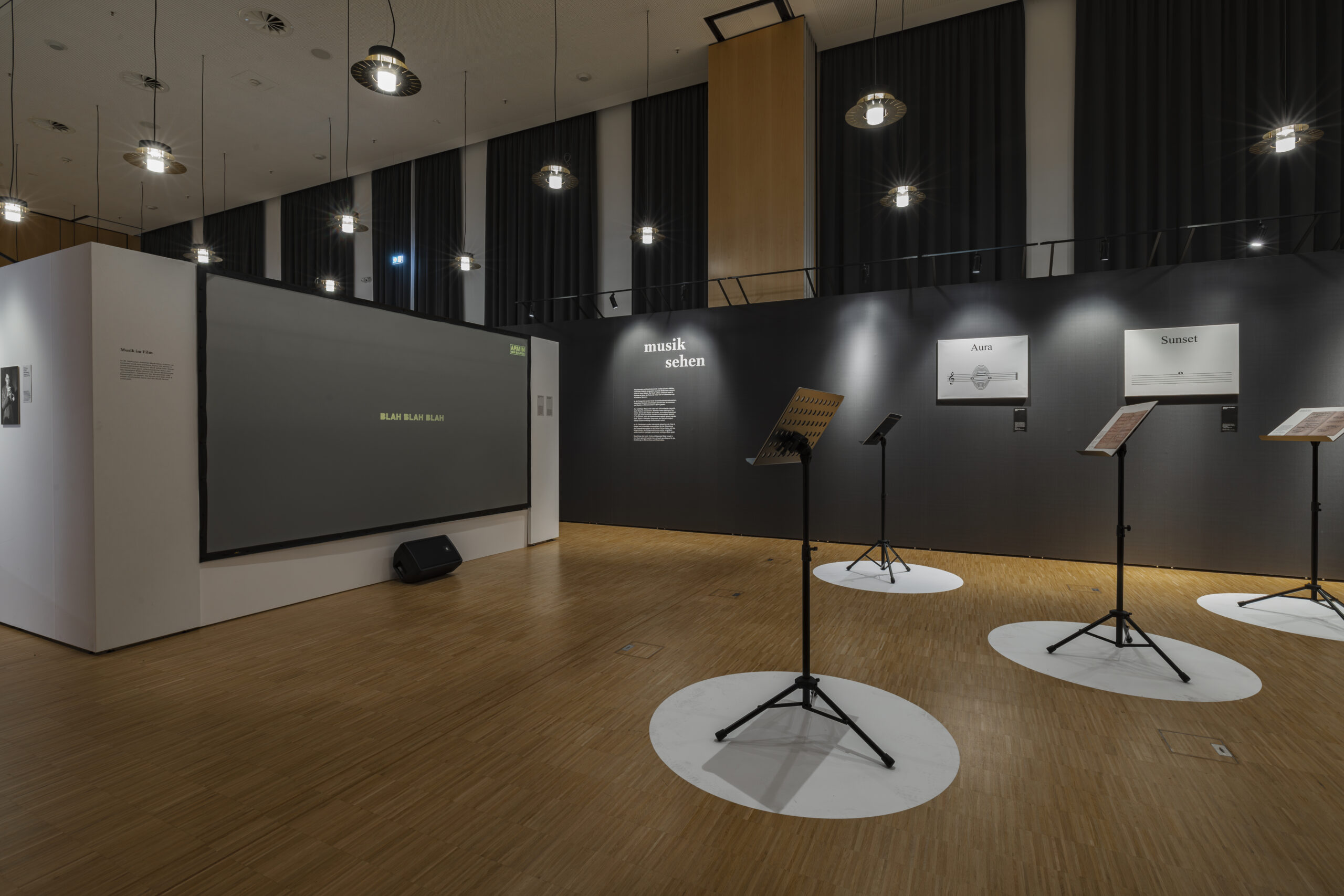
A floor plan that reads well on paper does not always work when a person is standing in it, and most installation regret traces back to a decision that was never tested at full scale. Movable wall systems for museums allow the plan to be built, walked, and judged before anything is committed. Mila-Wall® panels lift, travel, and lower into position, so a wall that turns out to be six feet off can simply be moved rather than rebuilt. Because these are genuinely reconfigurable exhibit walls, a team can try two arrangements in a morning and choose between them on the evidence. Invisible connections mean movable exhibit walls leave no record of the rejected version once the final layout is standing. Adjustable components accommodate uneven flooring up to 60mm, so a test configuration sits plumb rather than approximating the real thing. Sightlines, approach distances, and circulation can all be evaluated with the actual walls in the actual room. Designers get to iterate physically, which is a different and better process than iterating on a drawing.
Modular Walls for Exhibits in Madison, WI
Downtown Madison sits on a narrow isthmus, and the buildings there were fitted onto constrained lots long before anyone was thinking about gallery square footage. Exhibition space in that context is genuinely scarce, and every wall placed in a room is floor area that stops being usable. Modular walls for exhibits are efficient in a way framed construction is not, because a Mila-Wall® panel does not require studs, sheathing on both faces, or the structural depth that goes with them. Museum partition walls that take up less floor plane leave more room for the work, the visitor, and the circulation path a small gallery has to protect. Corner and angled profiles let a compact room be subdivided intelligently rather than simply cut in half. Panels stack up to six meters when a small footprint has height to work with, which is often the only direction left to expand. The walls are also freestanding, so they can be placed where the plan wants them instead of where the existing structure permits. Small galleries end up with more usable exhibition space than the same room would offer built out conventionally.
Temporary Walls for Museums in Madison, WI
Cultural attendance in Wisconsin concentrates indoors from late fall through early spring, and institutions here often need more gallery capacity in February than they need in July. Temporary walls for museums let that capacity appear and disappear with the season rather than sitting underused for half the year. Mila-Wall® temporary exhibition walls install without drilling, framing, or patching, so an atrium or event hall becomes real exhibition space for the busy months and returns to its regular function afterward. Panels break down flat and stack tightly, which keeps an entire seasonal gallery in a storage footprint a building can actually spare. Because the system is fully reusable, the same walls come back every winter instead of being rebuilt annually. Documented layouts mean the second year goes up faster than the first, and the fifth faster still. Mila-Wall® is also manufactured from 96 percent recycled, low emission materials and supports LEED® projects, which matters to institutions reporting on building performance. MBA Walls works directly with curators, exhibit designers, fabricators, and facilities staff on Madison projects, and to scope a project or request a quote you can reach the team through the MBA Walls contact page or call 800-635-7386.