
Modular Museum Walls in Kansas City, MO
Flexible Solutions for Temporary Walls and Modular Displays
Modular Museum Walls in Kansas City, MO
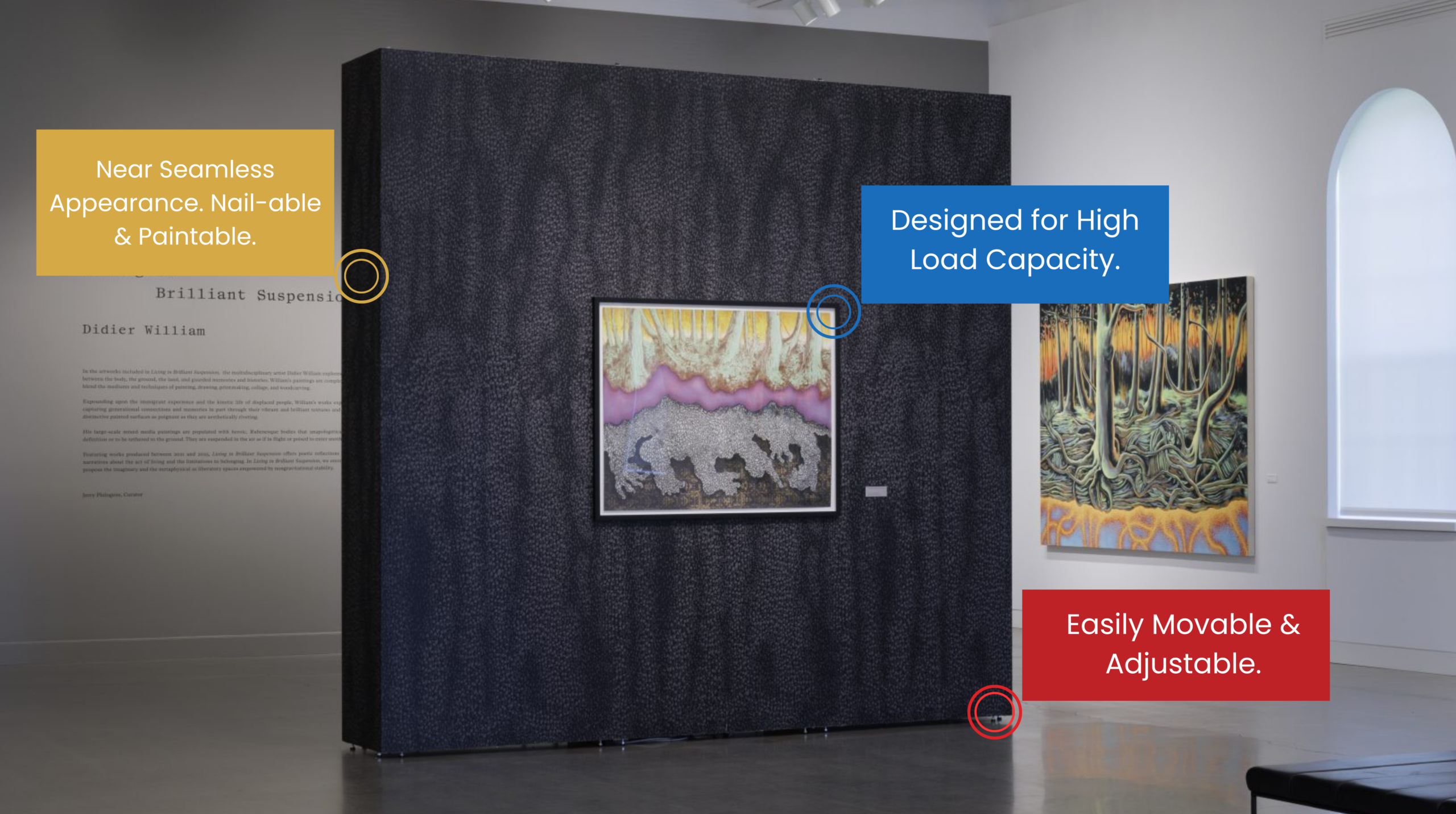
MBA Walls supplies Mila-Wall® modular museum walls to museums, galleries, and cultural institutions throughout Kansas City and the surrounding metro. The system was designed for museums, galleries, trade shows, and event spaces, and it scales from a single room to an entire touring exhibition without changing products. Panels assemble in minutes, connect invisibly, and return to service instead of being discarded when a show closes.
Temporary Exhibit Wall Systems
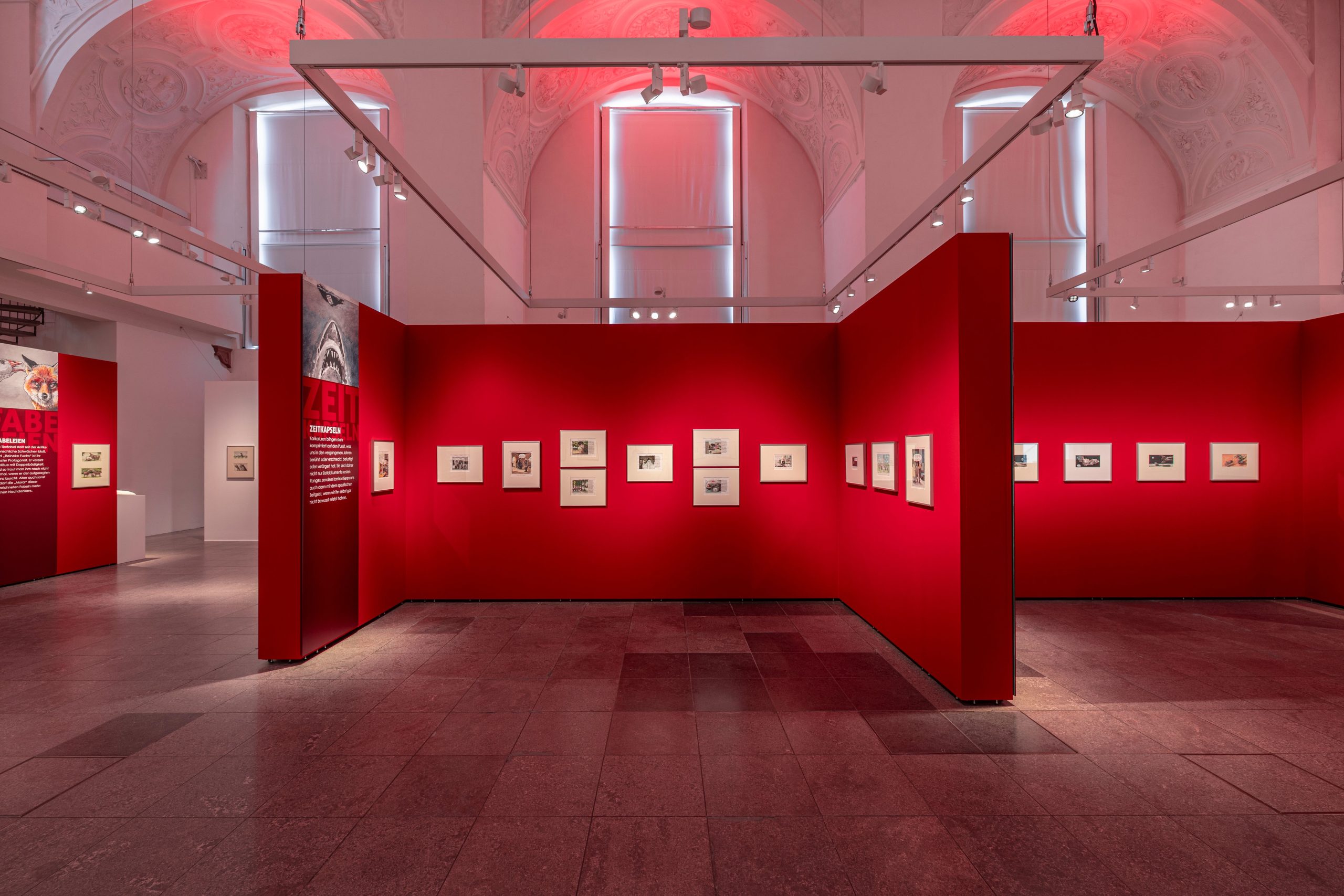
Kansas City regularly hosts large ticketed touring exhibitions in venues that are not museums at all, with Union Station turning tens of thousands of square feet of transit-era hall into a self-contained show. Building at that scale means an entire exhibition arrives as a plan and has to become architecture in a matter of days. Temporary exhibit wall systems make that feasible because Mila-Wall® is a repeating module rather than a custom build, so a four hundred panel install runs on the same logic as a forty panel one. Assembly is largely tool free and happens in minutes per module, which is what allows a crew to work in phases across a floor while sections behind them are already being finished. Ready made wall configurations shorten the planning phase considerably when the same layout patterns repeat across a large footprint. Portable exhibit walls also ship flat and load without specialized crating, so the freight side of a touring build stays manageable. When the run ends, the entire structure breaks down into stacked components rather than a demolition project. Flexible museum wall systems used this way let a city host exhibitions that its permanent gallery square footage could never accommodate.
Museum Wall Systems in Kansas City, MO
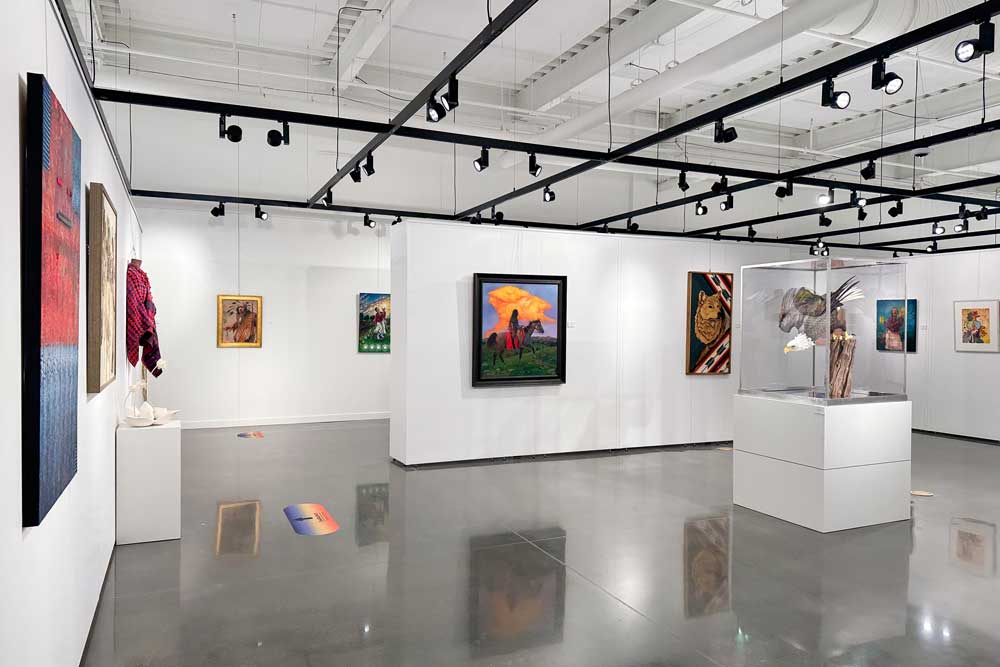
Kansas City’s flagship art museum has held general admission free for decades, and that commitment shapes how exhibition budgets actually work here. When a show does not sell tickets, there is no revenue stream to recover a construction cost against, so every dollar spent on walls comes out of operating funds and never comes back. Museum wall systems that get built and demolished each cycle are a permanent expense in that model, while a reusable inventory converts the same spending into an asset that serves indefinitely. Mila-Wall® is offered as a line so institutions can match the build to the use, including Series 100 with extruded aluminum edging and top and bottom pin connections for heavy rotation, Series 160, Series 840 with wooden edging as the more economical option, and Scenario® for smaller footprints. All of them share a lightweight honeycomb core inside a robust aluminum frame, which is what allows museum exhibit wall systems to keep their finish quality across years of use. Panels are repairable and coverings are replaceable, so ordinary wear is maintained rather than compounding into replacement. For free admission institutions, that durability is the entire financial argument. Specifications for the full line are on the Mila-Wall® product page.
Temporary Gallery Walls
First Fridays put the Crossroads on a fixed monthly cadence, and a space in that district resets roughly twelve times a year whether the schedule is convenient or not. Temporary gallery walls suit a recurring calendar because Mila-Wall® assembles in minutes and comes apart just as quickly, so a turnaround fits between one opening and the next without outside labor. Scenario® is the natural starting point for these footprints, connecting with peg connectors for fast, adaptable layouts. Modular gallery walls can form intimate rooms for one exhibition and a single open run for the following month without anything being cut, bought, or thrown away. Because nothing is consumed in a changeover, the cost of a monthly program stops scaling with the number of shows. Invisible connections mean a wall installed in an afternoon still presents as a finished gallery surface rather than a temporary partition. Panels break down flat and store in a footprint a small storefront operation can actually spare. Over a year, a single inventory carries a dozen exhibitions that would otherwise have required a dozen builds.
Exhibition Wall Panels
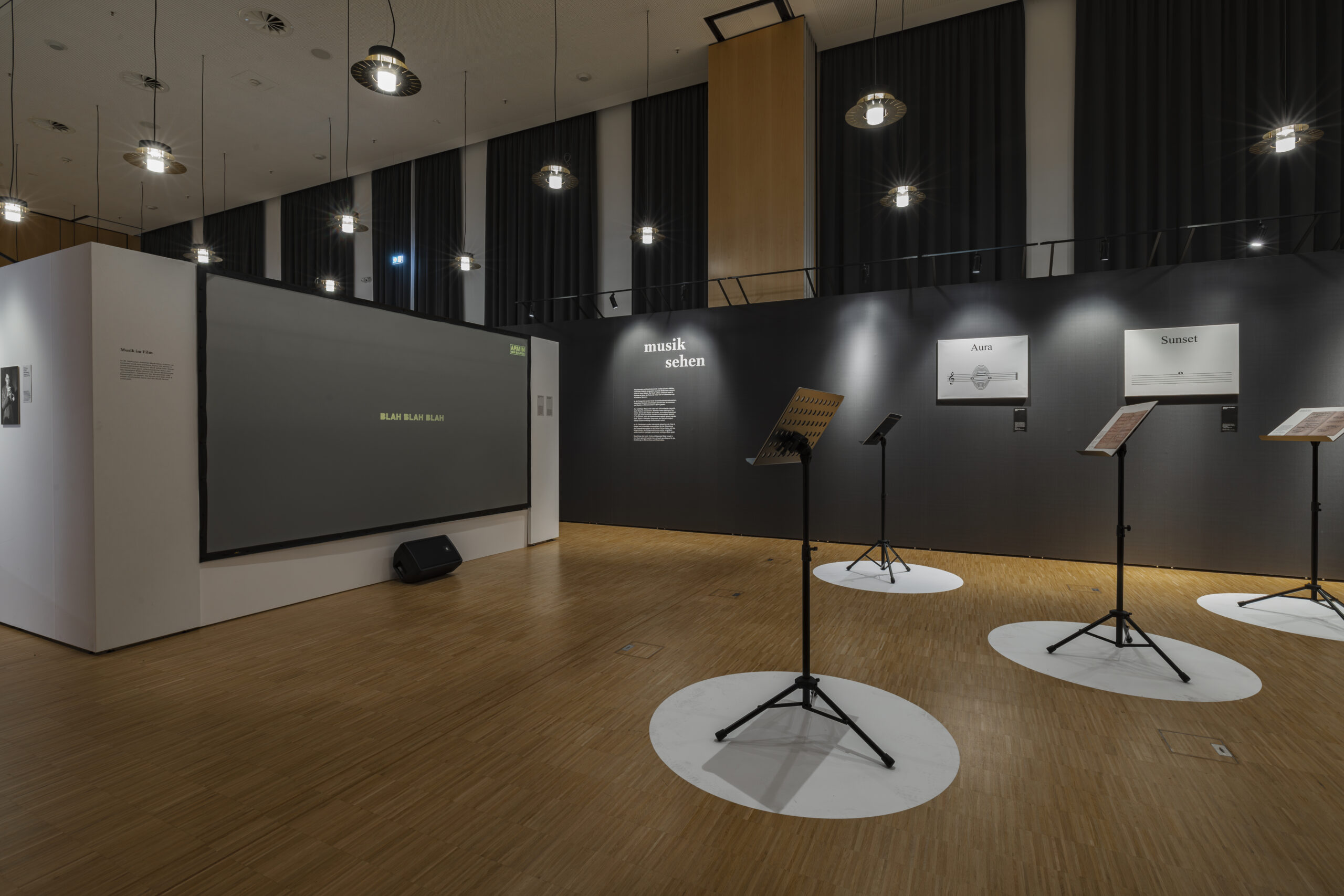
Not every wall in a modular system is temporary, and Kansas City institutions increasingly use these panels for collection reinstallations meant to stand for five or ten years. Exhibition wall panels holding that kind of duty face a different test than ones that move constantly, because the surface has to look correct on year seven with no one having touched it. The Mila-Wall® build addresses that with a rigid honeycomb core bonded inside an aluminum frame, a construction that holds its plane over time instead of settling or bowing. Panels hang valuable work securely, which is the baseline requirement when a wall is carrying collection material rather than a short run loan. Replaceable surface coverings mean a long standing gallery can be refreshed in place without the module ever leaving service. The advantage over permanent construction only shows up at the end, when a decade old installation comes apart in an ordinary changeover rather than a demolition. Exhibition display wall systems that can serve as semi permanent architecture and still release the space cleanly give an institution its long term flexibility back. What looks fixed to the visitor is never actually fixed to the building.
Movable Wall Systems for Museums in Kansas City, MO
Capital projects in this market tend to run in phases, with a wing closed for renovation while the rest of the building stays open and programming continues somewhere else. Movable wall systems for museums are what make that possible, because a gallery has to be assembled temporarily in a lobby, an atrium, or a borrowed floor while the real one is under construction. Mila-Wall® panels lift, travel, and lower into position without drilling, framing, or patching, so swing space is created and released without altering the host area. Adjustable components accommodate uneven flooring up to 60mm, which matters in spaces that were never leveled for exhibition use. As construction phases shift, movable exhibit walls and museum partition walls relocate with them rather than being rebuilt at each new location. Invisible connections mean the interim gallery still looks like a gallery instead of a placeholder. When the permanent space reopens, the same panels move into it and keep working. An institution gets to stay open and on program through a multi year project instead of going dark.
Gallery Display Wall Systems
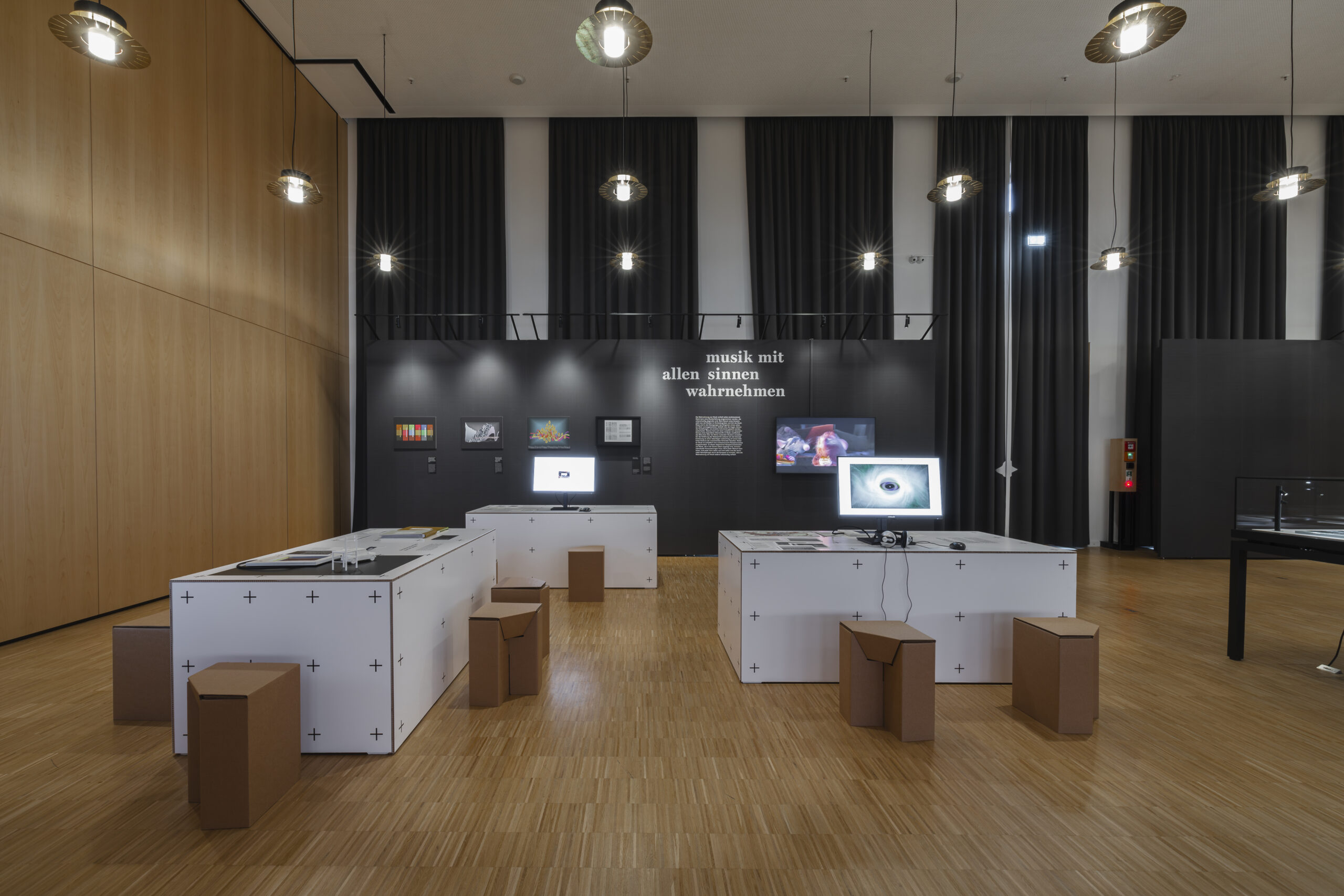
Kansas City’s music and cultural heritage institutions run galleries that are as much listening and viewing environments as they are display space, particularly around 18th and Vine. That makes for a design problem, because screens, stations, and interpretive media all want their own territory within a shared room. Gallery display wall systems have to create those bays through geometry, using enclosure, orientation, and distance to keep one program from competing with the next. Mila-Wall® corner and angled profiles let a designer build alcoves and recessed stations rather than lining media along a flat perimeter. The surface itself still has to perform, and panels can be painted or covered with vinyl, with more than 170 available finishes for matching a period, a mood, or an existing scheme. MBA Walls also supplies vinyl laminates for institutions that want a durable applied finish across high traffic areas. Titles, labels, and interpretive text apply directly to the panel and remove without residue, which keeps signage off separate hardware. Invisible connections keep a run of modular display wall systems reading as one plane, so a graphic can cross panels without a seam breaking it.