
Modular Museum Walls in Grand Rapids, MI
Flexible Solutions for Temporary Walls and Modular Displays
Modular Museum Walls in Grand Rapids, MI
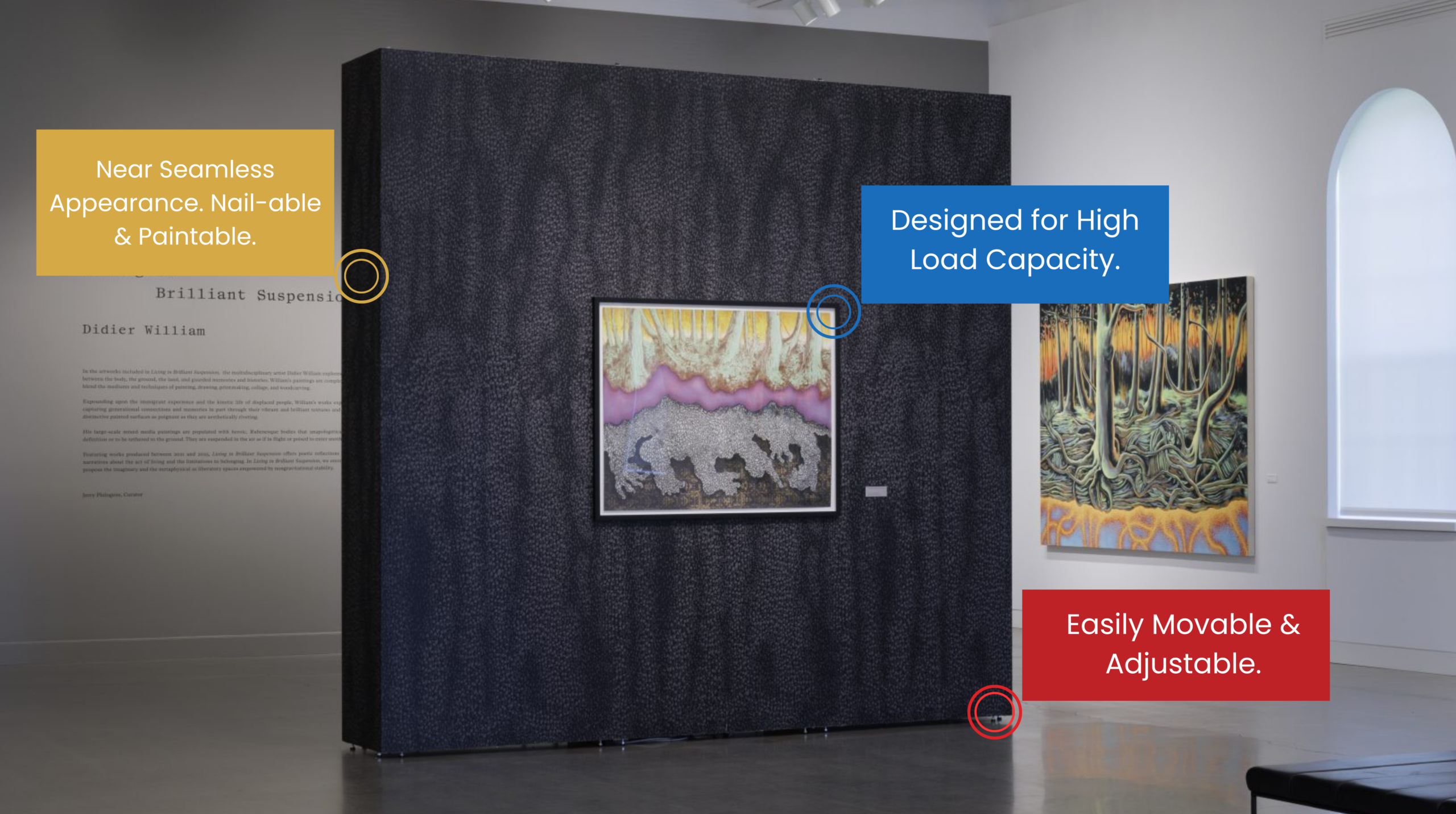
MBA Walls supplies Mila-Wall® modular museum walls to museums, galleries, and cultural institutions across Grand Rapids and West Michigan. The system was designed for museums, galleries, trade shows, and event spaces, and it holds a gallery standard in rooms that were never built to be galleries. Panels assemble in minutes, connect invisibly, and break down into components that come back for the next installation.
Temporary Exhibit Wall Systems
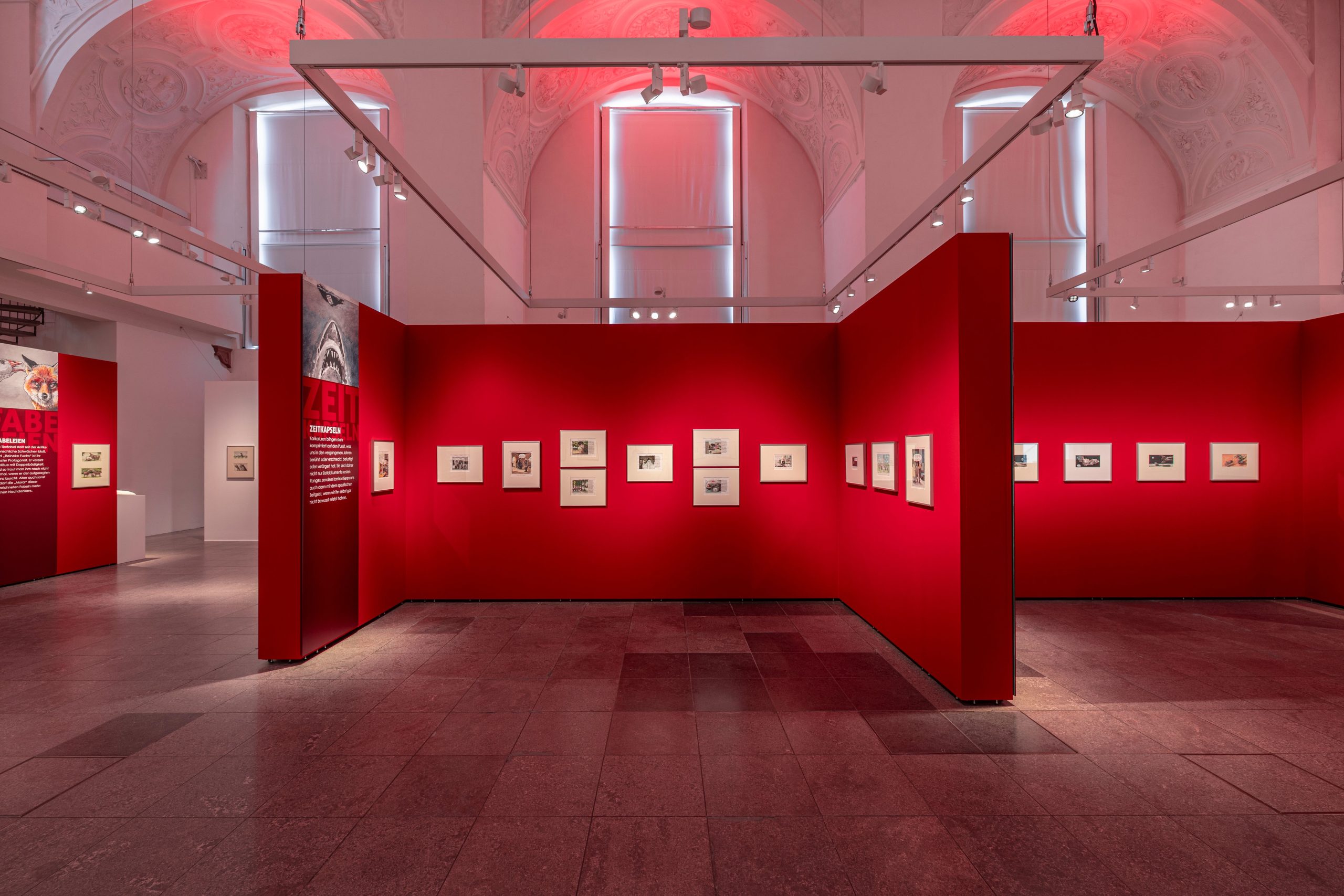
Grand Rapids built an international reputation on the idea that exhibition space is wherever you decide to put it, with hundreds of downtown venues opening their floors to work every season. Hotel lobbies, storefronts, restaurants, and office atriums become galleries for a few weeks, and none of them come with walls suited to showing art. Temporary exhibit wall systems close that gap by bringing gallery architecture into a room that has none. Mila-Wall® components ship flat, load without specialized crating, and reassemble as portable exhibit walls with the same finish quality at every stop. Assembly is largely tool free, which matters when the people setting up are venue staff and volunteers rather than a museum preparation crew. Flexible museum wall systems built this way let a coffee shop or a bank lobby present work at a standard the artist would recognize. When the run ends the panels come out and the venue returns to business with nothing to repair. The same inventory redeploys to an entirely different address the following year.
Movable Wall Systems for Museums in Grand Rapids, MI
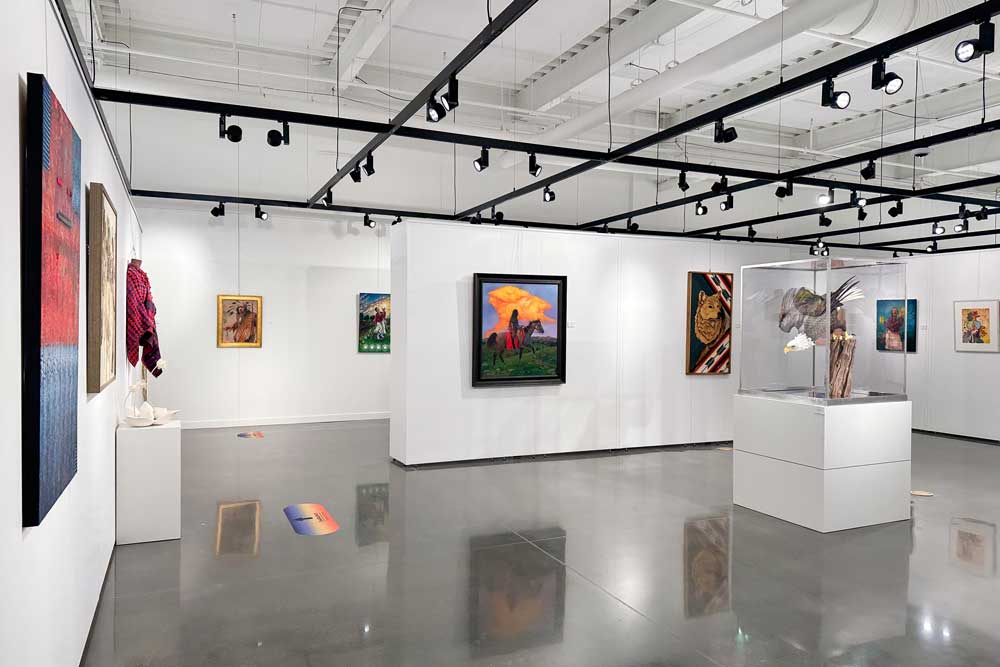
When a Grand Rapids exhibition draws crowds measured in the hundreds of thousands, the wall plan stops being purely a design decision and becomes a circulation decision. Movable wall systems for museums let a team shape how people enter, where they slow down, and how they clear a room before congestion becomes a problem. Mila-Wall® panels lift, move, and lower into position, so a layout that creates a bottleneck on opening weekend can be adjusted rather than endured for the length of the run. Invisible connections mean a repositioned wall leaves no evidence of where it stood before, which keeps mid-run changes from looking like a correction. Adjustable components handle uneven flooring up to 60mm, so movable exhibit walls stand plumb across the varied floors found in converted downtown buildings. Museum partition walls can widen a pinch point, add a second entry, or open a sightline that pulls visitors deeper into a space. Tool free assembly means those adjustments happen in hours rather than requiring a closure. Institutions get to treat the floor plan as something they can learn from instead of something fixed at install.
Gallery Display Wall Systems
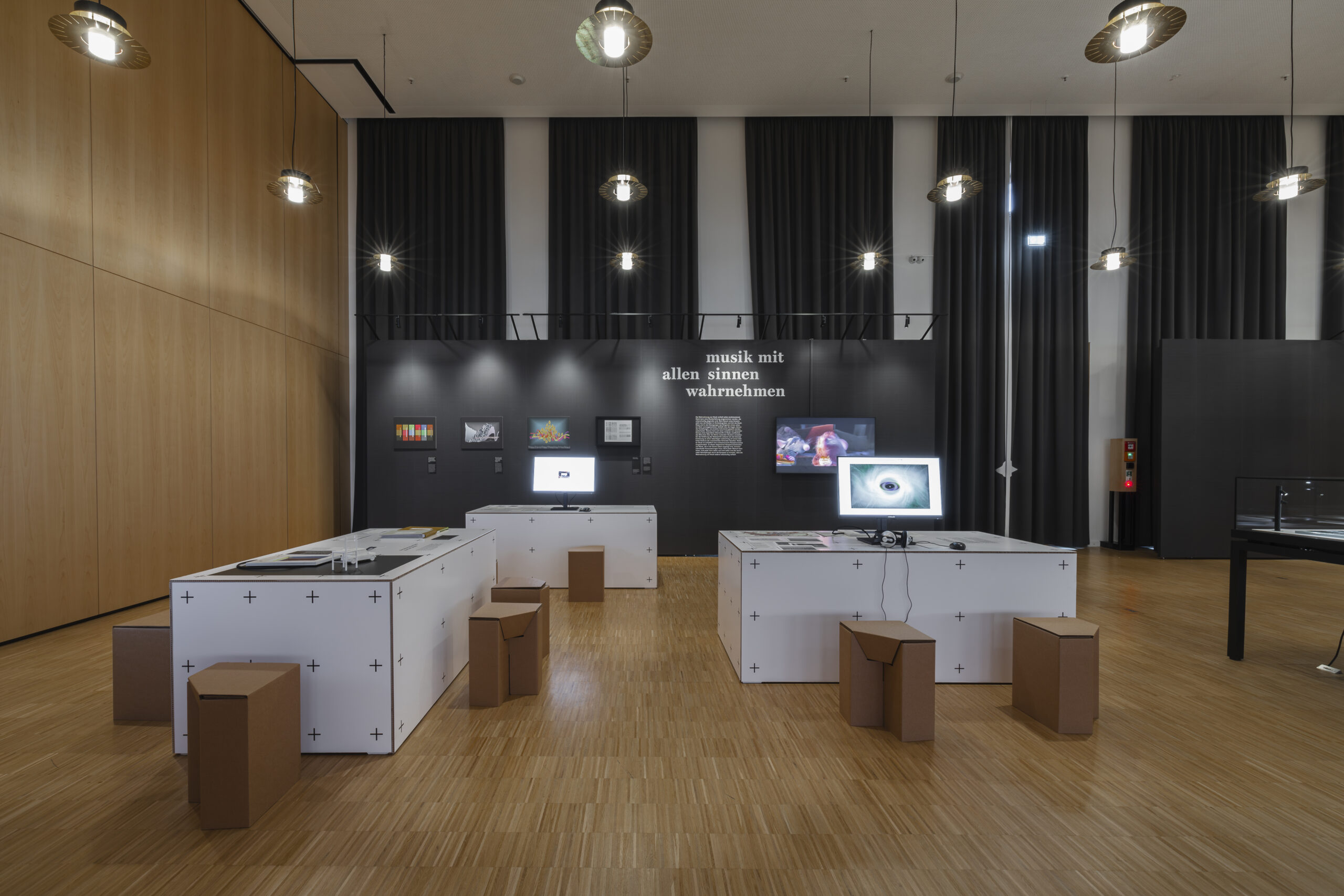
Grand Rapids has spent more than a century as a furniture manufacturing center, and that history produced an unusually design literate public. Visitors here notice a joint, a seam, or a surface that does not sit flat, because the region’s economy trained them to. Gallery display wall systems have to meet that scrutiny, and Mila-Wall® does it with invisible connections that leave no fasteners or hardware on the finished face. A run of panels reads as one continuous plane, which is what allows the wall to disappear and the work to hold attention. Panels can be painted or covered with vinyl, and MBA Walls supplies vinyl laminates for teams that want a durable applied finish. More than 170 available finishes give designers real latitude on color and material without the module underneath ever changing. Modular display wall systems that hold this standard also work in the region’s showrooms and design centers, where the same audience is evaluating product. The detailing is the reason the system belongs in a city that knows how things are made.
Modular Walls for Exhibits in Grand Rapids, MI
The Grand Rapids Art Museum was the first art museum in the world to earn LEED Gold certification, and that decision set an expectation the rest of the city’s cultural sector has largely absorbed. Sustainability here is not a line in a grant application, it is part of how institutions describe themselves publicly. Choosing modular walls for exhibits is one of the more direct ways to live up to that, because the alternative sends a fresh wall build to a landfill after every exhibition. Mila-Wall® is manufactured from 96 percent recycled, low emission materials, is fully reusable, and is recyclable at end of life. The system supports LEED® projects, which gives facilities teams something concrete to document rather than a general claim. Reconfigurable exhibit walls also cut the embodied carbon of a program simply by eliminating the demolition and rebuild cycle. Boards and funders in West Michigan increasingly ask what an institution is actually doing rather than what it intends to do. A reusable wall inventory is an answer that holds up under that question.
Exhibition Wall Panels
A panel that gets installed twice a decade and a panel that gets installed twenty times a year are not the same product, and Grand Rapids institutions tend to need the second one. Exhibition wall panels here accumulate install cycles fast because the same inventory serves gallery rotations, festival venues, and event configurations across a single calendar. Mila-Wall® is engineered for that volume, with a lightweight honeycomb core bonded inside a robust aluminum frame that stays flat and rigid through repeated handling. Series 100 uses extruded aluminum edging with top and bottom pin connections specifically where longevity under heavy rotation is the priority. Panels are repairable, so a surface damaged in transit or on a venue floor is addressed rather than written off. Replaceable coverings mean a module that has been out a dozen times still presents like new to the next audience. Exhibition display wall systems that visibly wear down start limiting what a curator is willing to program, and this one does not reach that point. The economics improve with every cycle rather than degrading.
Temporary Walls for Museums in Grand Rapids, MI
Some of the strongest programming in West Michigan repeats, with annual seasonal exhibitions that audiences plan their year around and expect to find again. Temporary walls for museums are ideally suited to that pattern, because the same configuration can be rebuilt each year rather than reconstructed from scratch. Mila-Wall® temporary exhibition walls install without drilling, framing, or patching, so the host space is fully released back to other uses in the off season. Panels break down flat and stack tightly, which keeps a full exhibition’s worth of walls in a storage footprint a building can actually spare. Documented layouts mean a returning show goes back up faster in its second year than it did in its first. Between seasons the same modules take on a different program entirely instead of sitting idle as single purpose equipment. Nothing is consumed, so a recurring exhibition stops carrying a recurring construction cost. Over several years the inventory pays for itself against a build that used to be repeated annually.