
Modular Museum Walls in Baltimore, MD
Flexible Solutions for Temporary Walls and Modular Displays
Temporary Walls for Museums in Baltimore, MD
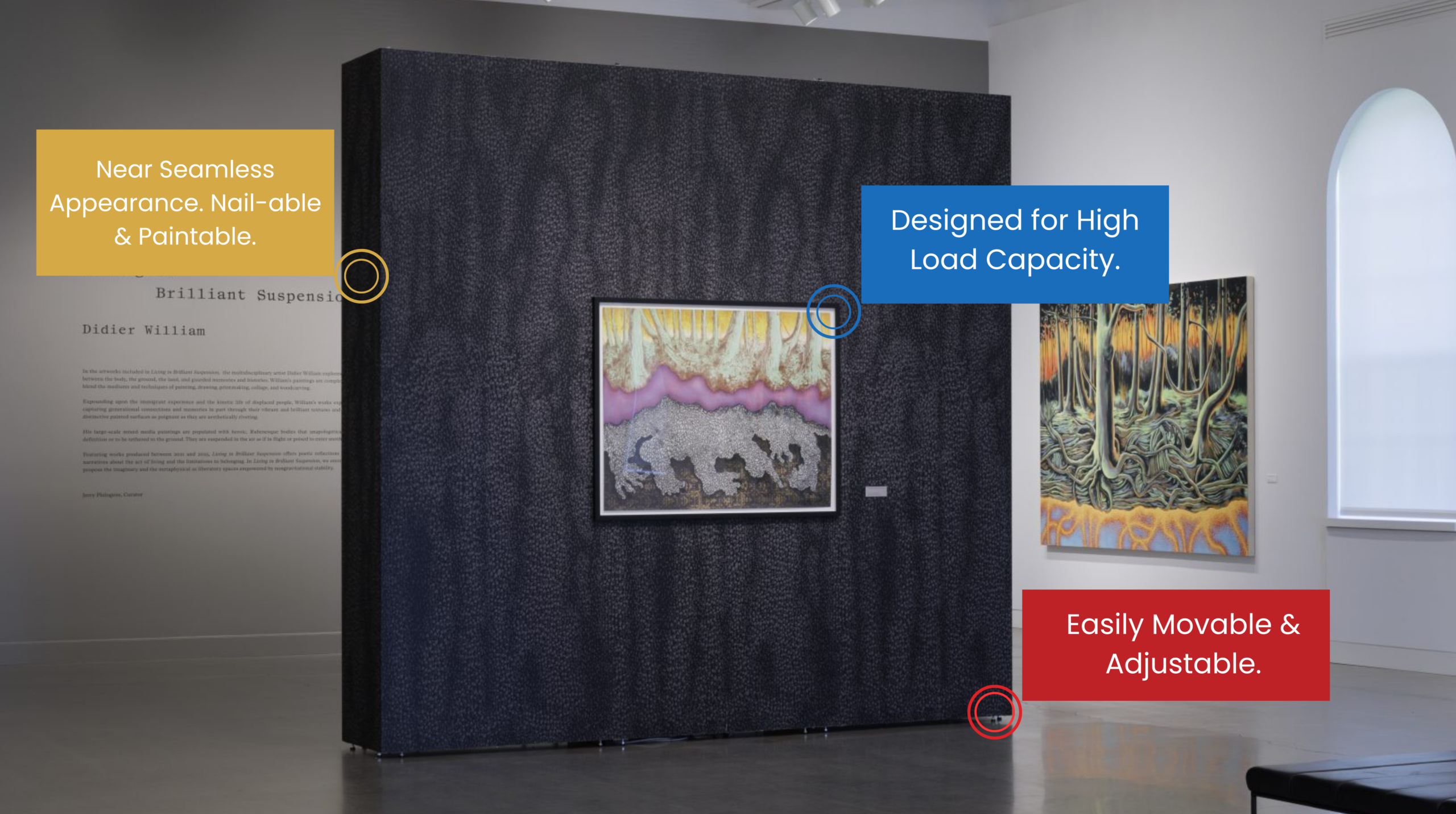
A traveling exhibit landing at the BMA, a donor reception inside the Walters, a temporary partition splitting a permanent collection at the Maryland Center for History and Culture to make room for a guest show — Baltimore institutions need temporary walls for museums that hold up to the same scrutiny as the architecture around them. Mila-Wall® delivers that with portable exhibit walls and museum partition walls that install in minutes and break down cleanly when the program ends. The invisible connections and museum-grade finish keep the temporary build from telegraphing as event scaffolding, which matters when a private function hands off to a public exhibit on tight turnaround. Components travel between Baltimore-area venues for touring shows and adjust for uneven floors up to 60mm without shimming. Because the system is reusable, every temporary install also adds cycles to a long-term inventory rather than burning a one-time spend. The 96% recycled construction also lines up with the sustainability commitments increasingly attached to museum funding across Maryland and the broader Mid-Atlantic. Scope a temporary installation through the MBA Walls contact page.
Gallery Display Wall Systems
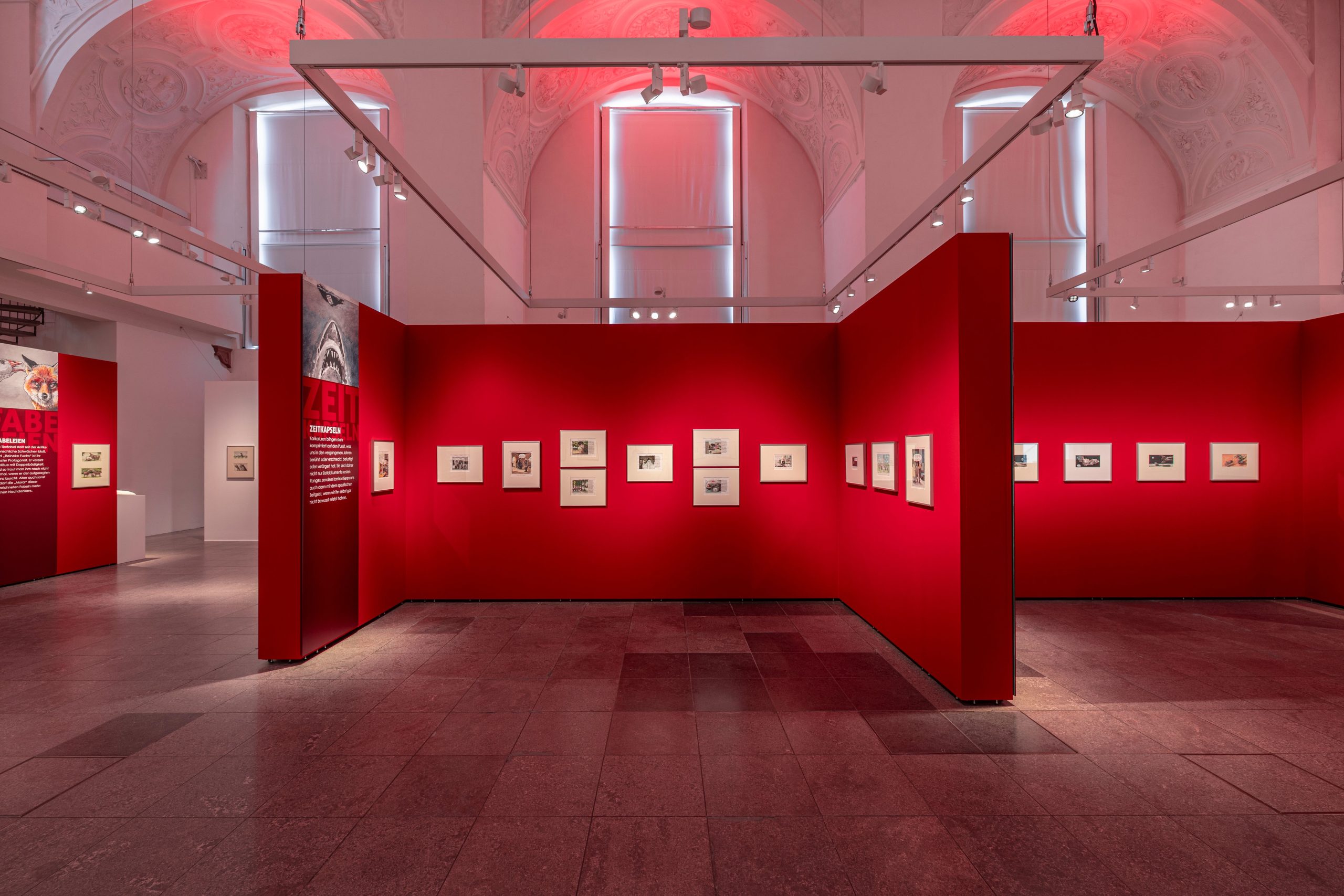
Gallery display wall systems are evaluated on a short list of measurable traits — surface read, connection visibility, layout flexibility, and inventory longevity. Mila-Wall® modular gallery walls were engineered against that exact checklist. The connections are invisible, the panel surface presents clean and gallery-smooth, and there’s no exposed hardware competing with the work on display. The platform supports straight runs, corners, angled profiles, free-standing islands, and stacked configurations up to six meters from a single panel inventory. Floor-adjustable feet keep the entire layout plumb across uneven gallery floors. Because the system is modular and fully reusable, the gallery reshapes itself for each new exhibition rather than being torn out and rebuilt. Sustainability targets are met through 96% recycled content, low-emission materials, and a repairable panel design. Full configuration options sit on the Mila-Wall® product page.
Museum Wall Systems in Baltimore, MD
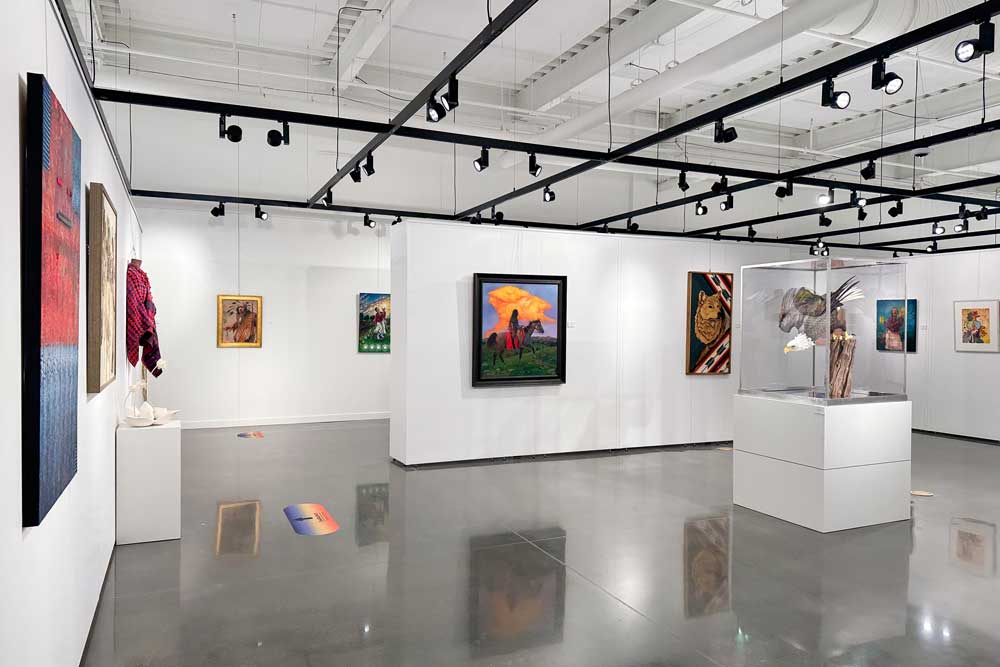
Baltimore’s museum landscape is one of the deepest in the country for a city its size — the Baltimore Museum of Art on the Johns Hopkins campus, the Walters Art Museum in Mount Vernon, the Maryland Center for History and Culture, the American Visionary Art Museum on the harbor, and the National Aquarium’s exhibition programming. Museum wall systems serving that range have to handle dramatically different curatorial vocabularies from a shared inventory. Mila-Wall® is a museum exhibit wall system used by major institutions worldwide, and it gives Baltimore curators a single platform that flexes across all of it. The system is engineered with 96% recycled, low-emission materials and supports LEED® projects, which lines up with the sustainability documentation increasingly built into Maryland cultural grant cycles. Series 100 anchors flagship installations with extruded aluminum edging built for unparalleled durability, Series 840 carries the same modular logic in a more economical wood-edged build, and Scenario® brings the system into smaller exhibition spaces with peg connectors. All three lines share invisible connections and floor-adjustable feet, so flexible museum wall systems install the same way whether the venue is a 19th-century Mount Vernon townhouse converted to gallery space or a newer purpose-built museum. Plan a Baltimore install through the MBA Walls contact page.
Modular Exhibit Walls in Baltimore, MD
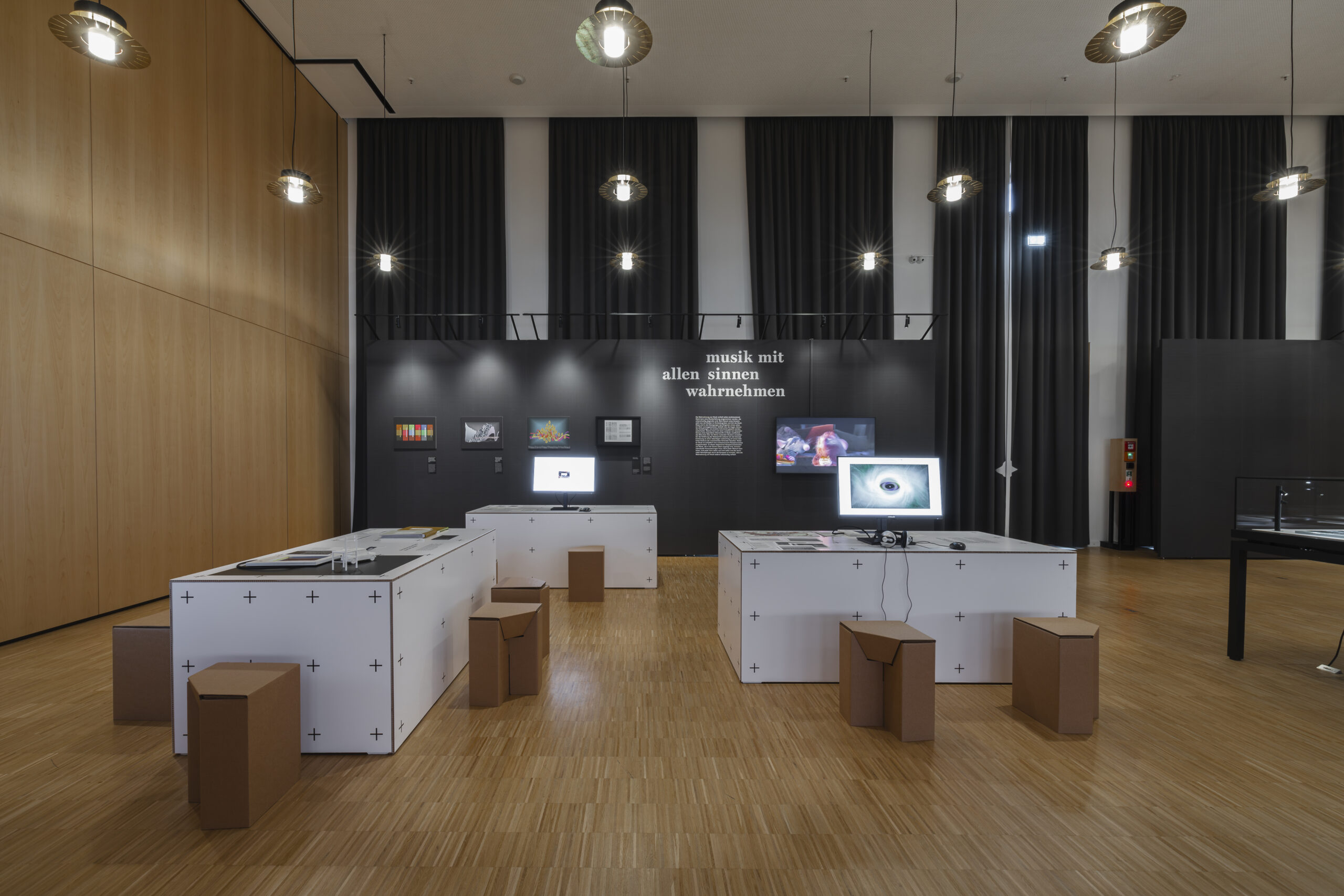
Exhibit designers and fabricators working out of Baltimore are sourcing modular exhibit walls for institutional museums, university galleries at Johns Hopkins, MICA, and UMBC, and the touring-show traffic that runs through downtown and the harbor district. Mila-Wall® is the modular display wall system designed to cover that full range from a single inventory. Fabricators standardize on one connection system across Series 100, Series 840, and Scenario®, then specify the right tier per project — Series 100 for flagship work, Series 840 as the most economical solution, Scenario® for smaller exhibition spaces and faster turnover. Panels assemble invisibly in minutes, stack to six meters, and form corners and angled profiles without custom framing. A single Mila-Wall® stock pays itself off across multiple Baltimore contracts because the same panels return for the next job in a new layout. Materials are 96% recycled and the system supports LEED® projects, which is increasingly part of how exhibit work gets scored in institutional bidding. See the full lineup on the Mila-Wall® page or contact MBA Walls for project assistance.
Temporary Exhibit Wall Systems
The default trade-off with temporary exhibit wall systems is speed versus finish quality, and Mila-Wall® was engineered specifically to remove that compromise. The platform installs in minutes using ready-made configurations and floor-adjustable feet, but the finished build is museum-grade rather than partition-grade — invisible joins, gallery-smooth surfaces, no exposed hardware. Curators dress the panels with MBA Vinyl Laminates and accessories to match any exhibit identity, then strip everything down at the end of the run without damaging the inventory. The same panels return for the next temporary exhibition wall in a new configuration, which is what separates a genuinely modular system from one that’s only portable. Stacking up to six meters and corner and angled profiles keep ambitious temporary builds inside a single product platform. Sustainability is structural to the design — 96% recycled materials, low-emission construction, fully reusable, and repairable when a panel takes damage. Full specs are documented on the Mila-Wall® product page.
Modular Walls for Exhibits in Baltimore, MD
Baltimore exhibit programs pull from an unusually distinctive subject base — maritime and industrial history at the Baltimore Museum of Industry, African American history at the Reginald F. Lewis Museum, fine art at the BMA and Walters, contemporary art through MICA’s gallery network, and natural sciences programming at the Maryland Science Center. Modular walls for exhibits supporting that range have to adapt across visual languages and audience expectations without forcing a fresh build each cycle. Mila-Wall® gives Baltimore exhibit teams a single platform that handles all of it through three product lines — Series 100, Series 840, and Scenario® — sharing common modular logic so reconfigurable exhibit walls move freely between shows. Panel connections are invisible, floor-adjustable feet handle uneven gallery surfaces up to 60mm, and the same inventory stacks to six meters with corner and angled profiles available. The system is built on a lightweight honeycomb core inside an aluminum frame, repairable rather than disposable, which is what turns it into a long-term institutional asset. The 96% recycled construction also supports LEED® projects and the sustainability reporting now built into Maryland cultural funding. Configuration options are on the Mila-Wall® product page, and project scoping runs through the MBA Walls contact page.
Movable Wall Systems for Museums in Baltimore, MD
Baltimore institutions program around the assumption that the gallery will be reconfigured between shows — and that assumption only holds when the walls themselves are designed to move. Mila-Wall® is a true movable wall system for museums, with panels that disconnect invisibly, travel between venues, and reassemble with the same gallery-grade finish on the other end. For Baltimore museums trading exhibits with regional partners along the Acela corridor and across the Mid-Atlantic, that portability is what makes shared programming viable in the first place. The aluminum-framed panels are durable enough for repeated transport and light enough for in-house crews to handle without specialty trades. Movable exhibit walls stack to six meters, accept corner and angled profiles, and adjust for uneven flooring up to 60mm — coverage that fits both historic Mount Vernon townhouses and newer construction around the harbor. Every move adds to the system’s lifetime value because the components are 96% recycled, fully reusable, and repairable when needed. Explore the Mila-Wall® system options or reach the MBA Walls team to scope a Baltimore project.