The Sustainability of MBA Mila-Wall Systems in Museums, Galleries, and Exhibition Spaces
In an era where environmental responsibility drives architectural and design decisions, sustainable partition systems for museums and galleries are critical. The MBA Mila-wall, a revolutionary modular wall solution, is transforming how cultural institutions create flexible, eco-friendly spaces. If you’re searching for sustainable MBA Mila-wall applications in galleries or curious about the environmental impact of modular walls in exhibitions, this post is for you. We’ll explore the sustainability credentials of MBA Mila-wall and its role in creating adaptable, green environments for museums, art galleries, trade shows, and more.
What is MBA Mila-Wall? A Quick Overview
Before diving into its green benefits, let’s understand what makes MBA Mila-wall unique. Developed by MBA Modular Building Applications, the Mila-wall system is a lightweight, relocatable partitioning solution designed for temporary and semi-permanent installations. Unlike fixed walls, Mila-wall uses interlocking panels that assemble and disassemble with minimal tools, offering endless reconfiguration possibilities.
Key features include:
• Modular Design: Panels in various sizes, heights, and finishes for custom layouts.
• Mobility: Easy to transport and reinstall, reducing the need for new builds.
• Aesthetics: Sleek, professional finishes that blend into high-end spaces like museums and galleries.
This system excels in exhibition wall systems for museums, where flexibility is essential for rotating displays and optimizing space. But its true standout feature? Sustainability, which we’ll explore next.
The Environmental Advantages: Why MBA Mila-Wall is a Sustainable Choice
Sustainability means minimizing waste, conserving resources, and lowering carbon footprints. The MBA Mila-wall’s sustainability shines in several ways, making it ideal for eco-conscious curators and venue managers. Here’s how it supports greener practices in cultural and exhibition settings:
1. Reusability and Waste Reduction
The biggest sustainability win for modular partition walls like Mila-wall is their reusability. Traditional drywall installations in galleries often end up in landfills after a single exhibit
cycle, contributing to construction waste. Mila-wall panels, however, can be reused dozens of times without degradation.
• Fact: Modular systems can reduce waste by up to 90% compared to permanent structures, per industry studies.
• Application in Museums: For rotating art installations, Mila-wall enables seamless transitions between exhibits, extending material lifecycles and minimizing resource-intensive rebuilds.
This reusability aligns with sustainable gallery design principles, supporting standards like LEED certification for cultural buildings.
2. Energy Efficiency and Low Carbon Footprint
Manufacturing and transporting building materials contribute significantly to carbon emissions. MBA Mila-wall uses lightweight, durable materials—often aluminum frames and recyclable composites—that require less energy to produce and ship.
• Energy Savings: Quick installation (often in hours, not days) reduces on-site machinery and labor, cutting energy use.
• Material Sourcing: Many components are made from recycled content, reducing demand for virgin resources.
This is particularly valuable for eco-friendly exhibition walls in museums, where logistics can be a carbon hotspot. For galleries hosting international shows, Mila-wall’s portability minimizes freight emissions, making it ideal for sustainable trade show partitions.
3. Durability and Long-Term Resource Conservation
Built to last, Mila-wall withstands repeated use without frequent replacements. Its robust construction resists wear in high-traffic environments like public museums, ensuring longevity.
• Lifecycle Analysis: Over 10-15 years, a single Mila-wall setup can replace multiple fixed-wall projects, conserving raw materials like timber and gypsum.
• Maintenance Minimalism: No painting or refinishing needed between uses—just a quick clean, keeping operational impacts low.
For institutions prioritizing green museum practices, this translates to lower long-term costs and a smaller ecological footprint.
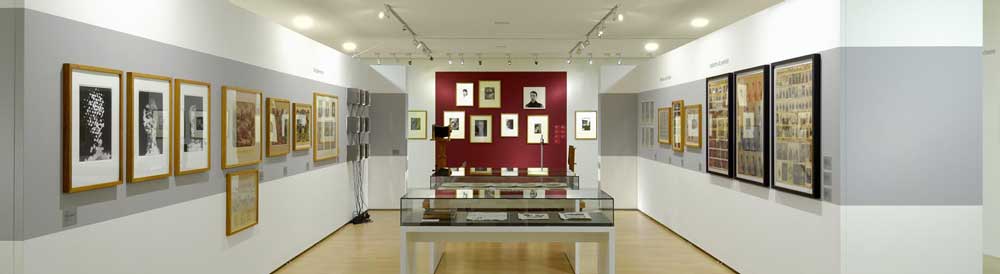
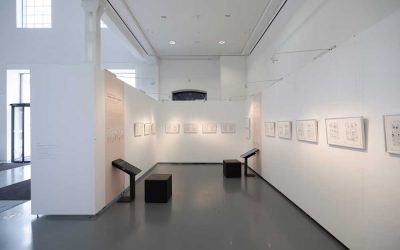
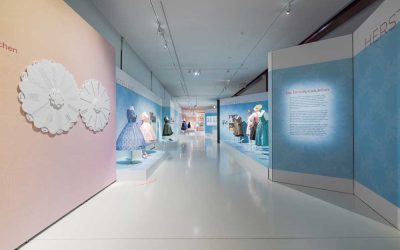
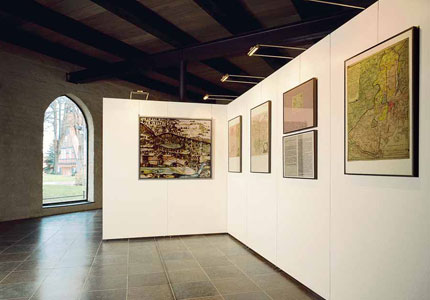
Real-World Applications: Mila-Wall in Action for Sustainable Galleries and Museums
In summary, the sustainability of MBA Mila-wall in museums and galleries is clear: reduced waste, lower emissions, and unmatched flexibility make it a top choice for forward-thinking spaces. If you’re planning an exhibit or renovation, consider how Mila-wall can elevate your project while honoring the planet.
Ready to go green? Contact MBA to explore Mila-wall sustainable applications for your venue. Share your thoughts below—have you used modular systems in your space?